
Duct Leakage Test in Lawrence township, NJ
Make sure your HVAC system performs at its best and satisfies local energy standards with certified duct leakage test in Lawrence township, NJ. Our certified technicians evaluate and measure air leaks in duct systems, helping homeowners and builders enhance comfort, decrease energy loss, and comply with state rules.
Why Duct Leakage Test is Important In Lawrence township, NJ
- Call Us Today
What Our Clients Say
Trustindex verifies that the original source of the review is Google. I recently contacted Local Energy Audits for help with a suspected duct leak. From the start, they asked all the right questions and even requested pictures to better understand the situation. Based on the information I provided, they recommended a specific service, which, surprisingly, they didn't even sell. They didn't charge me anything for their time, and the advice they gave was invaluable-something I hadn't received from anyone else. Their honesty, professionalism, and genuine desire to help really stood out. I highly recommend them if you're looking for expert advice and outstanding service.Posted onTrustindex verifies that the original source of the review is Google. Frustrated with my high electric bills - despite an efficiency drive in lighting and appliances in the house - I suspected that my HVAC was to blame but didn't know where to start. Research suggested an energy audit would be a good place to start, and I am very happy I chose to work with Local Energy Audits. Ori was extremely professional, thorough, and on-time. After the blower door test was set up and running, he walked through every room in the house with me, patiently reviewing all the leaks and explaining possible fixes. The information in his report is invaluable, and I feel infinitely better informed as to how to tackle improving the energy efficiency of my house. Particularly given the new federal tax credits for energy efficiency, I found the price for ~2 hours of Ori's time and expertise, plus the fact that I can now build a plan of attack, to be extraordinarily reasonable. Highly recommend anyone looking for an energy audit to get in touch with them!Posted onTrustindex verifies that the original source of the review is Google. I had called numerous companies and had numerous individuals to our house. No one could figure out the issues. Ori explained everything and fixed the issues. He and his crew are wonderful!Posted onTrustindex verifies that the original source of the review is Google. Chris was a fast and efficient tech. Whole test took less than a half hour from arrival to departure and provided exactly what was needed.Posted onTrustindex verifies that the original source of the review is Google. Great company to work with. Fast, reliable, and most of all professional. Ori walked us through every step of the process and Chris was there to perform the test. Definitely a service we will use again in the future and definitely a company to recommend!Posted onTrustindex verifies that the original source of the review is Google. Great guy! He gave me great advice, wasn’t just after my money.He gave me a genuine feeling of concern and I recommend them.Posted onTrustindex verifies that the original source of the review is Google. Always excellent servicePosted onTrustindex verifies that the original source of the review is Google. Ori was able to work with my schedule and get to my house quickly. He was able to pinpoint areas that need improvement. Easy to work with. Highly recommend.Posted onTrustindex verifies that the original source of the review is Google. When I needed a blower door test Ori was cordial arrived on time and got the job done at a fair price!Verified by TrustindexTrustindex verified badge is the Universal Symbol of Trust. Only the greatest companies can get the verified badge who has a review score above 4.5, based on customer reviews over the past 12 months. Read more
How a Duct Leakage Test Is Conducted
To initiate testing, your technician will seal all supply and return registers except for the main return or air handler during a duct leakage test in Lawrence township, NJ. A specially calibrated duct blaster fan is then secured to the opening. Its job is to depressurize the duct system, allowing air leaks to reveal themselves clearly.
The duct blaster uses its precision pressure sensor partner to measure airflow and uncover duct leaks without causing any home disruption. A duct leakage test — also called a duct blaster test — locates the points where duct air escapes, helping you implement the right sealing solution.
duct leakage test is hassle-free, clean, and won’t interfere with residents’ daily routines. Most tests in Lawrence township, NJ are done within 30 to 60 minutes, with improvements that strengthen comfort and efficiency for years to come.
How to Measure Duct Leakage
Duct leakage is measured using cubic feet per minute (CFM) per 100 square feet of conditioned floor area. Your technician relies on a nanometer to read slight pressure variations that show the amount of air leaking through the duct system. Understanding this number helps you pinpoint leakage points, think through potential improvements, and verify your home’s adherence to local energy code requirements in Lawrence township, NJ.
Cost of Excessive Duct Leakage
If you are experiencing high utility bills, uneven temperatures, or frequent HVAC repairs, duct leakage may be the cause. According to ENERGY STAR, duct leakage causes homeowners to lose 20%–30% of their conditioned air on average. Air entering from outside—whether warm or cold—makes your HVAC operate harder, causing energy costs to climb and comfort to decrease.
Overworked equipment also increases the likelihood of breakdowns and drives up repair costs. Proper duct sealing helps maintain the long-term health of your HVAC system, extending its lifespan and reducing ongoing maintenance needs.
Duct leaks can also allow the entry of dust, mold spores, moisture, and a range of contaminants into the duct system. This can irritate allergies, harm the air quality inside, and cause expensive hidden structural damage as time goes on.
How to Properly Seal Ductwork in an Old Home
The 2015 IRC/IECC specifies that newly constructed homes must use fully sealed duct systems with modern, efficient materials such as mastic, foil tape, and insulation. But what happens when air leaks are concealed deep in the walls or ceilings?
Aerosol sealing technology (AeroSeal) gives technicians a way to reach concealed duct leaks without opening walls or ceilings. To begin this method, every vent is sealed except for one access opening. The HVAC unit is isolated, and a machine is installed onto the duct system. It pressurizes the ducts and releases a delicate aerosol sealant that settles into small gaps and holes traditional techniques can’t access.
This method is effective at treating small to medium leaks. However, big openings may still need to be addressed with manual mastic-and-tape sealing. Technicians complete a duct leakage test before and after aerosol sealing to track leakage reduction and confirm the treatment’s success.
Common Areas of Duct Leakage
The most common location for air leakage in ducts is the joints. Ductwork includes several metal sections pressed together with tight fittings and metal bands, but those connections are almost never airtight.
As your HVAC system regulates temperatures through the seasons, the ducts expand when heated and contract when cooled. Over time, this movement shifts and loosens the joints, resulting in gaps and leaks — which is why all homes in Lawrence township, NJ, new or older, benefit from duct leakage test.
Many energy auditors check for leaks by feeling along the ductwork and using a small tool to gauge the size of gaps between joints. If your duct system is unsealed with mastic and approved tape, air leakage is almost certainly occurring.
What Is an Acceptable Amount of Duct Leakage per Energy Code?
To achieve a passing duct leakage result, your system has to measure below 4 CFM per 100 square feet with the air handler installed, or 3 CFM per 100 square feet without the air handler. For new construction, builders must ensure the home passes a duct leakage test before an occupancy certificate is granted.
If your home in Lawrence township, NJ cannot pass a duct leakage test, you are likely wasting money on heating and cooling — and causing long-term wear on your HVAC system. Meeting the 3–4 CFM requirement is key not only for staying code-compliant but for maintaining energy efficiency and consistent comfort in your home.
Your technician will also provide expert recommendations on how to address leakage issues so you can achieve a passing score, lower your utility bills, and improve your home’s overall performance.
Local Energy Audits — affordable duct leakage test in Lawrence township, NJ
Local Energy Audits proudly covers Lawrence township, NJ and all nearby towns. We specialize in identifying duct leakage and energy inefficiencies using blower door tests and duct leakage tests. Whether you’re building a new home or improving an existing one, we’re here to help.
If you’d like to book a test, call us during business hours or contact us online to request an appointment.
The Duct Leakage Test Steps Explained
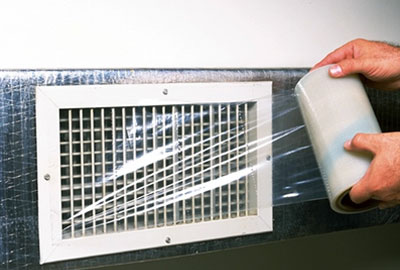
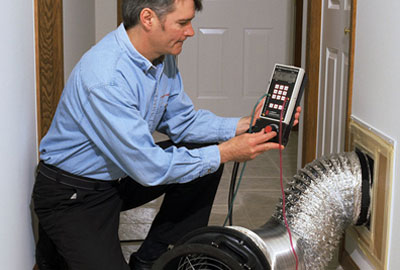
After the registers are sealed, we fasten the duct tester to the unit or to a main return.
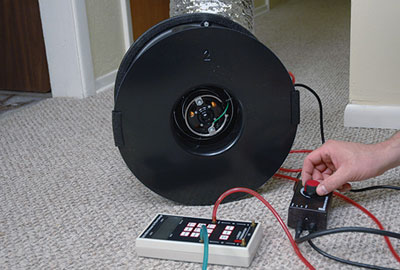
The ducts are then depressurized to 25 Pascals. With this pressure applied, we use the nanometer to measure how much leakage is present.
Schedule Your Duct Leakage Test in Lawrence township, NJ
Ensure your HVAC system remains efficient, code-compliant, and functioning optimally with skilled duct leakage test in Lawrence township, NJ. Whether you’re a homeowner increasing comfort or a contractor completing a necessary inspection, our certified team offers fast, accurate, and affordable testing.
We use industry-standard duct blaster equipment and offer on-site guidance to help you pass your test, improve energy efficiency, and safeguard your HVAC system’s long-term health.
Serving homeowners, builders, and contractors across Lawrence township, NJ with dependable and energy-efficient testing solutions.