
Duct Leakage Test in Ocean township (Ocean), NJ
Maintain top HVAC efficiency and stay aligned with local energy codes using trusted duct leakage test in Ocean township (Ocean), NJ. Our certified technicians measure and identify ductwork air leaks, assisting homeowners and builders in boosting comfort, limiting energy waste, and maintaining state compliance.
Why Duct Leakage Test is Important In Ocean township (Ocean), NJ
- Call Us Today
What Our Clients Say
Trustindex verifies that the original source of the review is Google. I recently contacted Local Energy Audits for help with a suspected duct leak. From the start, they asked all the right questions and even requested pictures to better understand the situation. Based on the information I provided, they recommended a specific service, which, surprisingly, they didn't even sell. They didn't charge me anything for their time, and the advice they gave was invaluable-something I hadn't received from anyone else. Their honesty, professionalism, and genuine desire to help really stood out. I highly recommend them if you're looking for expert advice and outstanding service.Posted onTrustindex verifies that the original source of the review is Google. Frustrated with my high electric bills - despite an efficiency drive in lighting and appliances in the house - I suspected that my HVAC was to blame but didn't know where to start. Research suggested an energy audit would be a good place to start, and I am very happy I chose to work with Local Energy Audits. Ori was extremely professional, thorough, and on-time. After the blower door test was set up and running, he walked through every room in the house with me, patiently reviewing all the leaks and explaining possible fixes. The information in his report is invaluable, and I feel infinitely better informed as to how to tackle improving the energy efficiency of my house. Particularly given the new federal tax credits for energy efficiency, I found the price for ~2 hours of Ori's time and expertise, plus the fact that I can now build a plan of attack, to be extraordinarily reasonable. Highly recommend anyone looking for an energy audit to get in touch with them!Posted onTrustindex verifies that the original source of the review is Google. I had called numerous companies and had numerous individuals to our house. No one could figure out the issues. Ori explained everything and fixed the issues. He and his crew are wonderful!Posted onTrustindex verifies that the original source of the review is Google. Chris was a fast and efficient tech. Whole test took less than a half hour from arrival to departure and provided exactly what was needed.Posted onTrustindex verifies that the original source of the review is Google. Great company to work with. Fast, reliable, and most of all professional. Ori walked us through every step of the process and Chris was there to perform the test. Definitely a service we will use again in the future and definitely a company to recommend!Posted onTrustindex verifies that the original source of the review is Google. Great guy! He gave me great advice, wasn’t just after my money.He gave me a genuine feeling of concern and I recommend them.Posted onTrustindex verifies that the original source of the review is Google. Always excellent servicePosted onTrustindex verifies that the original source of the review is Google. Ori was able to work with my schedule and get to my house quickly. He was able to pinpoint areas that need improvement. Easy to work with. Highly recommend.Posted onTrustindex verifies that the original source of the review is Google. When I needed a blower door test Ori was cordial arrived on time and got the job done at a fair price!Verified by TrustindexTrustindex verified badge is the Universal Symbol of Trust. Only the greatest companies can get the verified badge who has a review score above 4.5, based on customer reviews over the past 12 months. Read more
How a Duct Leakage Test Is Conducted
To kick off a duct leakage test in Ocean township (Ocean), NJ, your technician will block all supply and return registers while keeping the main return or air handler accessible. A specially calibrated fan called a duct blaster is then connected to the opening. This fan depressurizes the duct system, making it easier to pinpoint exactly where air is leaking.
The duct blaster, combined with a precision pressure sensor, measures airflow and detects leaks in the duct system without causing any disturbance in your home. A duct leakage test — sometimes identified as a duct blaster test — shows where your ducts lose air, helping you plan the right sealing approach.
duct leakage test is swift, clean, and carried out with no disturbance to residents. Most tests in Ocean township (Ocean), NJ take between 30 and 60 minutes, and the improvements they deliver can elevate comfort and efficiency for years ahead.
How to Measure Duct Leakage
Duct leakage is specified in cubic feet per minute (CFM) for each 100 square feet of conditioned space. Your technician uses a nanometer to detect minimal pressure variations, revealing the amount of air leakage occurring in the duct system. Understanding this number helps you pinpoint leakage points, think through potential improvements, and verify your home’s adherence to local energy code requirements in Ocean township (Ocean), NJ.
Cost of Excessive Duct Leakage
If you’re experiencing spikes in utility bills, uncomfortable temperature variations, or ongoing HVAC repair needs, duct leakage may be to blame. According to ENERGY STAR, typical duct systems lose 20% to 30% of conditioned air through leaks. If outdoor hot or cold air infiltrates your system, your HVAC struggles to maintain temperatures, raising energy costs and lowering comfort.
Overworked equipment also puts extra stress on the system, resulting in breakdowns and increased repair costs. Proper duct sealing helps safeguard the long-term reliability of your HVAC system, extending its lifespan and reducing how often maintenance is needed.
Duct leaks can also create openings for dust, mold spores, moisture, and various contaminants to enter the duct system. This can worsen allergy conditions, affect indoor air quality, and result in costly damage forming behind walls or ceilings over time.
How to Properly Seal Ductwork in an Old Home
The 2015 IRC/IECC requires all newly constructed homes to have fully sealed ductwork with modern, energy-saving materials such as mastic, foil tape, and insulation. But what should you do when leaks are located deep within your walls or ceilings?
Aerosol sealing technology (AeroSeal) helps target hard-to-reach openings deep within ducts. To begin this method, every vent is sealed except for one access opening. The HVAC unit is isolated, and a machine is installed onto the duct system. It pressurizes the ducts and injects fine aerosol particles that seal tiny gaps and holes that typical sealing techniques miss.
This method seals small to medium leaks effectively. However, large gaps may still call for manual sealing using mastic and tape. Technicians perform a duct leakage test both before and after aerosol sealing to determine how much leakage has decreased and confirm the treatment worked.
Common Areas of Duct Leakage
The most typical place for ducts to lose air is at the joints. Ductwork consists of different metal sections pressed together with tight fittings and metal bands, yet these joints are not usually airtight.
As your HVAC system operates in both heating and cooling modes year-round, the ducts continuously expand and contract. Over time, this movement leads the joints to loosen, resulting in gaps and leaks — making a duct leakage test important for new and older homes in Ocean township (Ocean), NJ.
Many energy auditors assess duct leakage by touching the ductwork and using a small tool to check the width of gaps where joints connect. If your duct system has not received sealing with mastic and approved tape, leakage is very probable.
What Is an Acceptable Amount of Duct Leakage per Energy Code?
To achieve a passing duct leakage result, your system is required to measure under 4 CFM per 100 square feet with the air handler installed, or 3 CFM per 100 square feet when it isn’t installed. For new construction, a passing duct leakage test is a required step before final occupancy certification can be awarded.
If your home in Ocean township (Ocean), NJ cannot achieve a passing duct leakage score, you are likely wasting money on heating and cooling — and increasing wear on your HVAC system over time. Meeting the 3–4 CFM requirement is key not only for staying code-compliant but for maintaining energy efficiency and consistent comfort in your home.
Your technician will also provide expert insights into correcting leakage issues so you can meet passing standards, lower your utility expenses, and improve overall home performance.
Local Energy Audits — affordable duct leakage test in Ocean township (Ocean), NJ
Local Energy Audits is proud to serve customers across Ocean township (Ocean), NJ and the nearby communities. We specialize in identifying duct leakage and energy inefficiencies using blower door tests and duct leakage tests. Whether you’re building a new home or improving an existing one, we’re here to help.
If you’d like to book a test, call us during business hours or contact us online to request an appointment.
The Duct Leakage Test Steps Explained
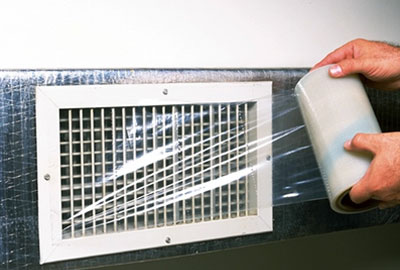
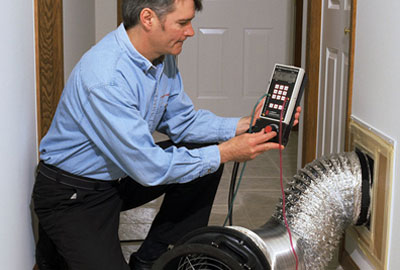
After the registers are sealed, we attach the duct tester to either the unit itself or a main return.
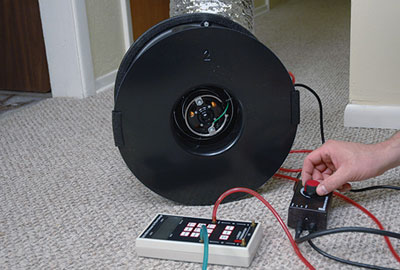
The ducts are then placed under 25 Pascals of negative pressure. With the ducts depressurized, we obtain the leakage reading using the nanometer.
Schedule Your Duct Leakage Test in Ocean township (Ocean), NJ
Ensure your HVAC system maintains top efficiency, remains compliant, and delivers strong performance with dependable duct leakage test in Ocean township (Ocean), NJ. Whether you’re a homeowner focused on improving comfort or a contractor finalizing inspection requirements, our certified team delivers fast, accurate, and affordable testing.
We use industry-standard duct blaster equipment and deliver practical on-site guidance to help you pass your test, decrease energy waste, and preserve your HVAC system’s long-term condition.
Serving homeowners, builders, and contractors across Ocean township (Ocean), NJ with dependable and energy-efficient testing solutions.