
Duct Leakage Test in Manalapan, NJ
Ensure proper HVAC performance and code compliance by scheduling professional duct leakage test in Manalapan, NJ. Our certified technicians measure and identify ductwork air leaks, assisting homeowners and builders in boosting comfort, limiting energy waste, and maintaining state compliance.
Why Duct Leakage Test is Important In Manalapan, NJ
- Call Us Today
What Our Clients Say
Trustindex verifies that the original source of the review is Google. I recently contacted Local Energy Audits for help with a suspected duct leak. From the start, they asked all the right questions and even requested pictures to better understand the situation. Based on the information I provided, they recommended a specific service, which, surprisingly, they didn't even sell. They didn't charge me anything for their time, and the advice they gave was invaluable-something I hadn't received from anyone else. Their honesty, professionalism, and genuine desire to help really stood out. I highly recommend them if you're looking for expert advice and outstanding service.Posted onTrustindex verifies that the original source of the review is Google. Frustrated with my high electric bills - despite an efficiency drive in lighting and appliances in the house - I suspected that my HVAC was to blame but didn't know where to start. Research suggested an energy audit would be a good place to start, and I am very happy I chose to work with Local Energy Audits. Ori was extremely professional, thorough, and on-time. After the blower door test was set up and running, he walked through every room in the house with me, patiently reviewing all the leaks and explaining possible fixes. The information in his report is invaluable, and I feel infinitely better informed as to how to tackle improving the energy efficiency of my house. Particularly given the new federal tax credits for energy efficiency, I found the price for ~2 hours of Ori's time and expertise, plus the fact that I can now build a plan of attack, to be extraordinarily reasonable. Highly recommend anyone looking for an energy audit to get in touch with them!Posted onTrustindex verifies that the original source of the review is Google. I had called numerous companies and had numerous individuals to our house. No one could figure out the issues. Ori explained everything and fixed the issues. He and his crew are wonderful!Posted onTrustindex verifies that the original source of the review is Google. Chris was a fast and efficient tech. Whole test took less than a half hour from arrival to departure and provided exactly what was needed.Posted onTrustindex verifies that the original source of the review is Google. Great company to work with. Fast, reliable, and most of all professional. Ori walked us through every step of the process and Chris was there to perform the test. Definitely a service we will use again in the future and definitely a company to recommend!Posted onTrustindex verifies that the original source of the review is Google. Great guy! He gave me great advice, wasn’t just after my money.He gave me a genuine feeling of concern and I recommend them.Posted onTrustindex verifies that the original source of the review is Google. Always excellent servicePosted onTrustindex verifies that the original source of the review is Google. Ori was able to work with my schedule and get to my house quickly. He was able to pinpoint areas that need improvement. Easy to work with. Highly recommend.Posted onTrustindex verifies that the original source of the review is Google. When I needed a blower door test Ori was cordial arrived on time and got the job done at a fair price!Verified by TrustindexTrustindex verified badge is the Universal Symbol of Trust. Only the greatest companies can get the verified badge who has a review score above 4.5, based on customer reviews over the past 12 months. Read more
How a Duct Leakage Test Is Conducted
To commence a duct leakage test in Manalapan, NJ, your technician will seal every supply and return register except the primary return or air handler. A specially calibrated fan called a duct blaster is then connected to the opening. This fan depressurizes the duct system, making it easier to pinpoint exactly where air is leaking.
The duct blaster, combined with a precision pressure sensor, measures airflow and detects leaks in the duct system without causing any disturbance in your home. A duct leakage test — sometimes identified as a duct blaster test — shows where your ducts lose air, helping you plan the right sealing approach.
duct leakage test is easy, clean, and unobtrusive for residents in the home. Most tests in Manalapan, NJ are wrapped up in 30 to 60 minutes, with improvements that continue to boost comfort and efficiency for years.
How to Measure Duct Leakage
Duct leakage is quantified in cubic feet per minute (CFM) for each 100 square feet of conditioned living space. Your technician uses a nanometer to evaluate small pressure shifts that signal air escaping through the ducts. Understanding this number helps you reveal problem areas, consider enhancement strategies, and validate that your home meets local energy code requirements in Manalapan, NJ.
Cost of Excessive Duct Leakage
If you’re dealing with rising utility bills, inconsistent room temperatures, or repeated HVAC issues, duct leakage could be the reason. According to ENERGY STAR, the typical home loses between 20% and 30% of its conditioned air due to duct leaks. Air entering from outside—whether warm or cold—makes your HVAC operate harder, causing energy costs to climb and comfort to decrease.
Overworked equipment also results in more frequent breakdowns and expensive repair bills. Proper duct sealing helps protect and extend the long-term lifespan of your HVAC system, minimizing the need for repeated maintenance.
Duct leaks can also let dust, mold spores, moisture, and other pollutants enter the duct system. This can trigger more severe allergies, diminish indoor air quality, and create expensive structural problems behind walls or ceilings over time.
How to Properly Seal Ductwork in an Old Home
The 2015 IRC/IECC states that new homes must have duct systems sealed completely with energy-efficient products such as mastic, foil tape, and insulation. But what if the leaks are buried far inside your walls or ceilings?
Aerosol sealing technology (AeroSeal) reaches interior duct leaks that traditional sealing methods can’t access. To conduct this method, all vents are blocked except for one access point. The HVAC system is isolated, and a machine is connected to the duct system. It pressurizes the ducts and distributes a fine aerosolized sealant that seals small openings traditional methods cannot reach.
This method excels at sealing small to medium leaks. However, bigger holes often must be sealed manually with mastic and tape. Technicians conduct duct leakage test before and after aerosol sealing to see how much the leakage dropped and ensure the treatment worked properly.
Common Areas of Duct Leakage
The most common leakage area in duct systems is the joints. Ductwork involves numerous metal parts pressed together with tight fittings and metal bands, but these connections are almost never fully airtight.
As your HVAC system regulates temperatures through the seasons, the ducts expand when heated and contract when cooled. Over time, this movement weakens joint connections, producing gaps and leaks — making duct leakage test essential for both new and older homes in Manalapan, NJ.
Many energy auditors assess duct leakage by touching the ductwork and using a small tool to check the width of gaps where joints connect. If your duct system hasn’t been finished with mastic and approved tape, leaks are highly likely.
What Is an Acceptable Amount of Duct Leakage per Energy Code?
To achieve a passing duct leakage result, your system should stay under 4 CFM per 100 square feet with the air handler attached, or 3 CFM per 100 square feet without it. For new construction, no home can receive an occupancy certificate without first passing a duct leakage test.
If your home in Manalapan, NJ doesn’t pass its duct leakage evaluation, you’re likely paying more for temperature control — and contributing to long-term HVAC strain. Meeting the 3–4 CFM requirement is needed not only for passing inspections, but also for improving home comfort and energy efficiency.
Your technician will also offer specialized recommendations to repair leakage issues so you can meet passing requirements, reduce utility bills, and improve your home’s performance.
Local Energy Audits — affordable duct leakage test in Manalapan, NJ
Local Energy Audits is proud to serve families and builders across Manalapan, NJ and the surrounding local areas. We specialize in measuring duct leakage and energy inefficiencies using advanced blower door and duct leakage tests. Whether you’re building new or improving old, we’re here to help.
If you’d like to book a test, call us during business hours or contact us online to request an appointment.
The Duct Leakage Test Steps Explained
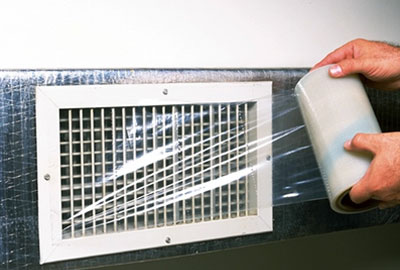
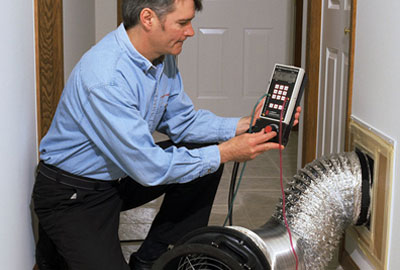
After the registers are sealed, we connect the duct tester either to the HVAC unit itself or a central return.
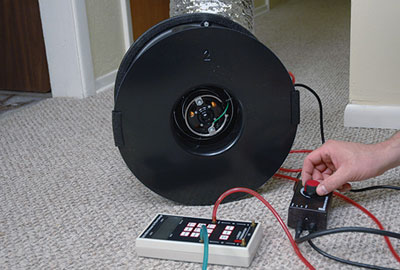
The ducts are then depressurized to a Pascal of 25. With the ducts depressurized we can use the nanometer to get a reading of the duct leakage.
Schedule Your Duct Leakage Test in Manalapan, NJ
Ensure your HVAC system operates efficiently, stays compliant, and performs at peak levels with certified duct leakage test in Manalapan, NJ. Whether you’re a homeowner looking for improved comfort or a contractor preparing for a final inspection, our certified team provides fast, accurate, and affordable testing.
We use industry-standard duct blaster equipment and supply on-site support to help you pass your test, curb energy waste, and maintain your HVAC system’s long-term performance.
Serving homeowners, builders, and contractors across Manalapan, NJ with dependable and energy-efficient testing solutions.